
Cosmology and the Old One
City of GodEinstein, Wittgenstein, Seligman, and the Big Bang restage the ancient quest for God inside the language of modern physics.
increasing Bearing strength in each event
 decreasing
Bearing strength in each eventdecreasingThe Big Bang and the Expanding Void
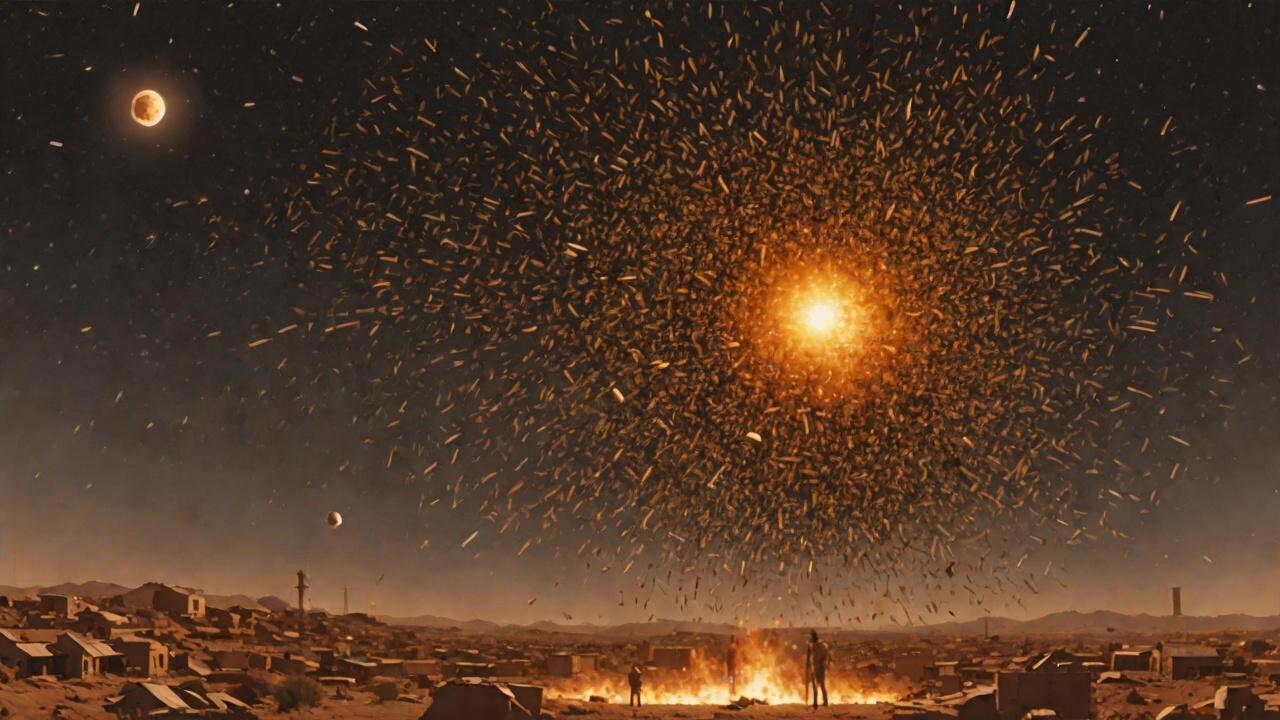
The Big Bang and the Expanding Void
Context
The narrator tries to explain the Big Bang: the universe did not explode into space, but space itself blew outward. He wonders what lies beyond the edge, whether the expansion will end in a Big Crunch or a Big Chill. He asks if astronomies can deaden themselves to the starry universe the way prisoners numbed themselves to survive the camps.
Significance
The cosmological meditation is a theological argument. The universe is too vast, too ancient, and too silent for the intimate God of tradition. Yet if God is involved, He is fearsome beyond human entreaty.
Consequences
The opening creates the novel's intellectual atmosphere. Every later voice, from Pem to Seligman, will speak against this backdrop.
Einstein's Old One
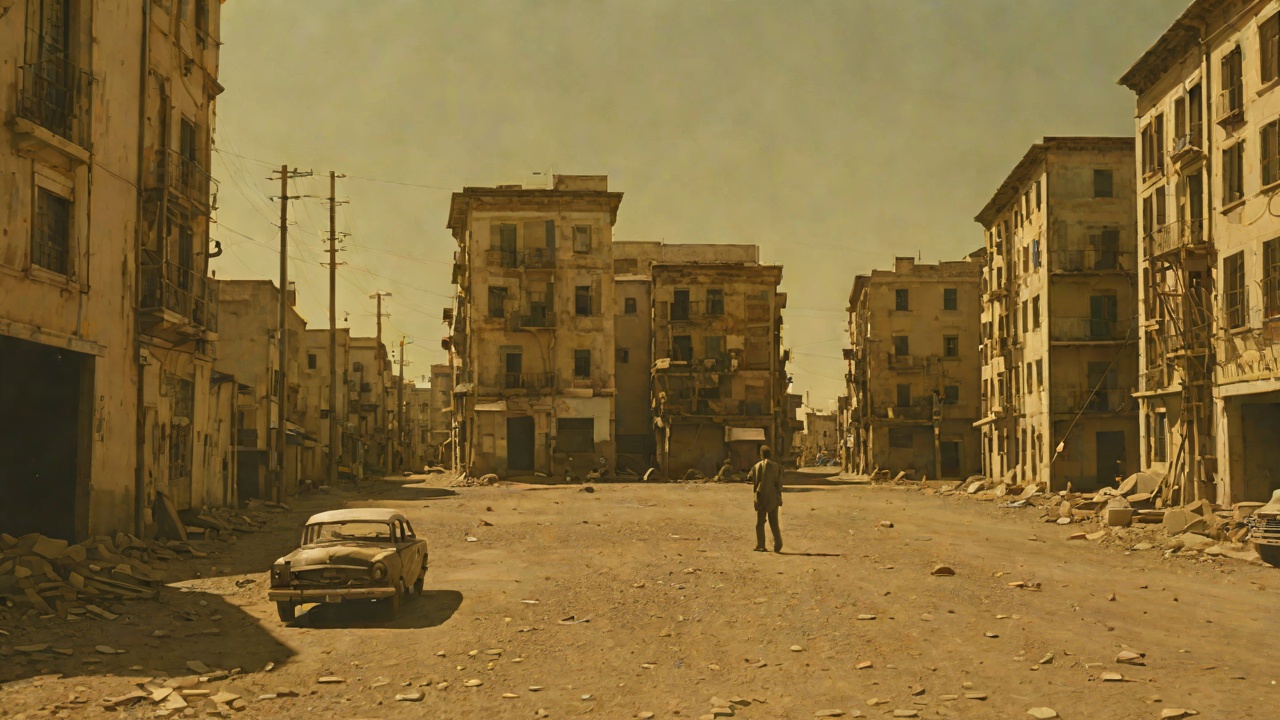
Einstein's Old One
Context
The narrator recalls Albert Einstein's habit of calling God the Old One. The phrase is precise: God is very old, as the Neanderthal skull-cup suggests, and One because God is beyond gender and duplication. Einstein tracked God in gravity, between nuclear forces, and along the speed of light.
Significance
Einstein's God is not the God of prayer or petition, but it is a start. The Old One is the universe's lawfulness, beautiful and indifferent, comprehensible to the human mind. This is a first sacrament: the bending of starlight.
Consequences
The notion of the Old One becomes a bridge between physics and faith, one that Seligman will later expand in the EJ synagogue.
Wittgenstein's Riddle of Life
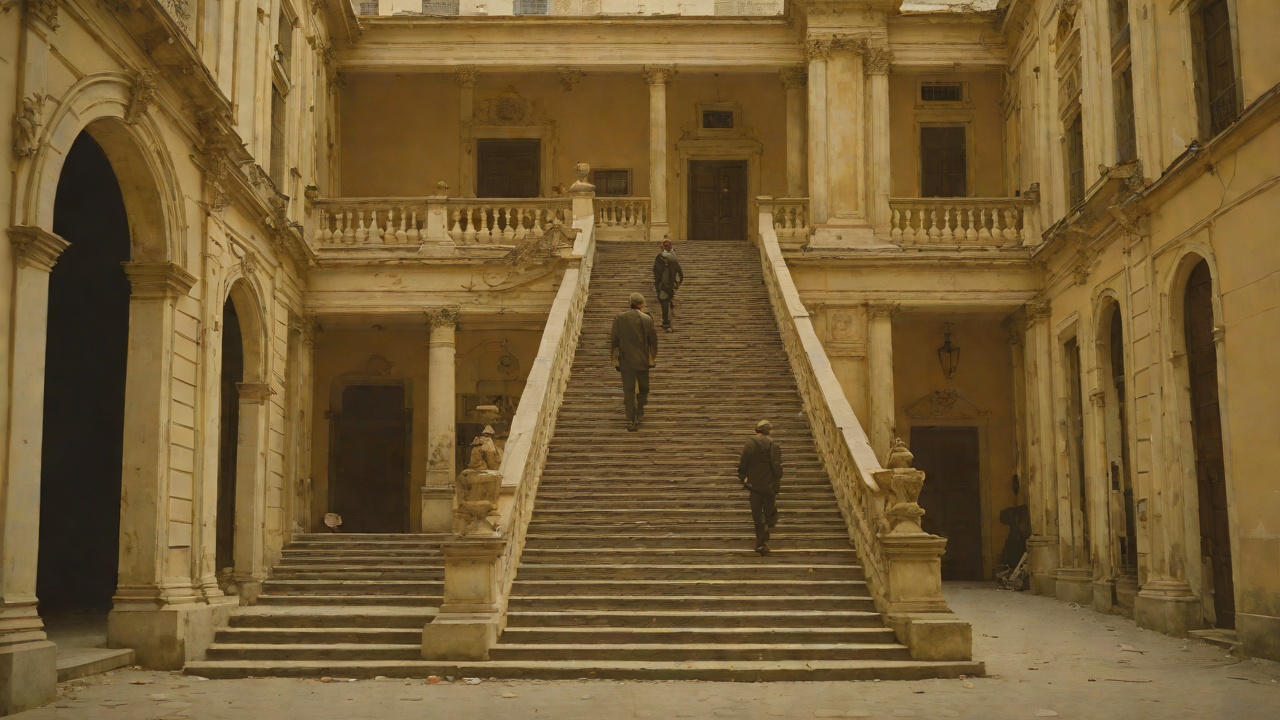
Wittgenstein's Riddle of Life
Context
The narrator presents a Wittgenstein-like autobiography in numbered propositions: the grand staircase, the Vienna palace, the boredom, the effort to strip language from philosophy. The final proposition states that even if all scientific questions are answered, the problems of life remain untouched.
Significance
The statement is the hinge of the novel's cosmology. Science can map the universe, but it cannot explain why there is something rather than nothing, or why consciousness is aware of itself. Wittgenstein defines the boundary beyond which only silence and awe exist.
Consequences
The philosophical meditation deepens the theme of the Old One. It also connects to the fictional Seligman, who will bring cosmology into the synagogue as Wittgenstein brings silence to the limits of language.
Seligman's Anthropic Universe

Seligman's Anthropic Universe
Context
Seligman speaks of the anthropic principle: the universe seems to have exploded, cooled, and formed elements precisely in such a way as to make human consciousness possible. He is careful not to claim proof of God, but the implications are enormous. Pem tells Everett that even the secularists can lack the secular disdain.
Significance
The anthropic principle smuggles purpose back into the cosmos without naming it. It is not a proof, but it is a sign. The universe is so improbable, so richly configured, that the word accident strains credibility.
Consequences
Seligman's speech becomes one of Pem's signs, a revelation hiding itself in the language of science. The Old One returns as a possibility rather than a certainty.
The Rocket Ship That Cannot Tell
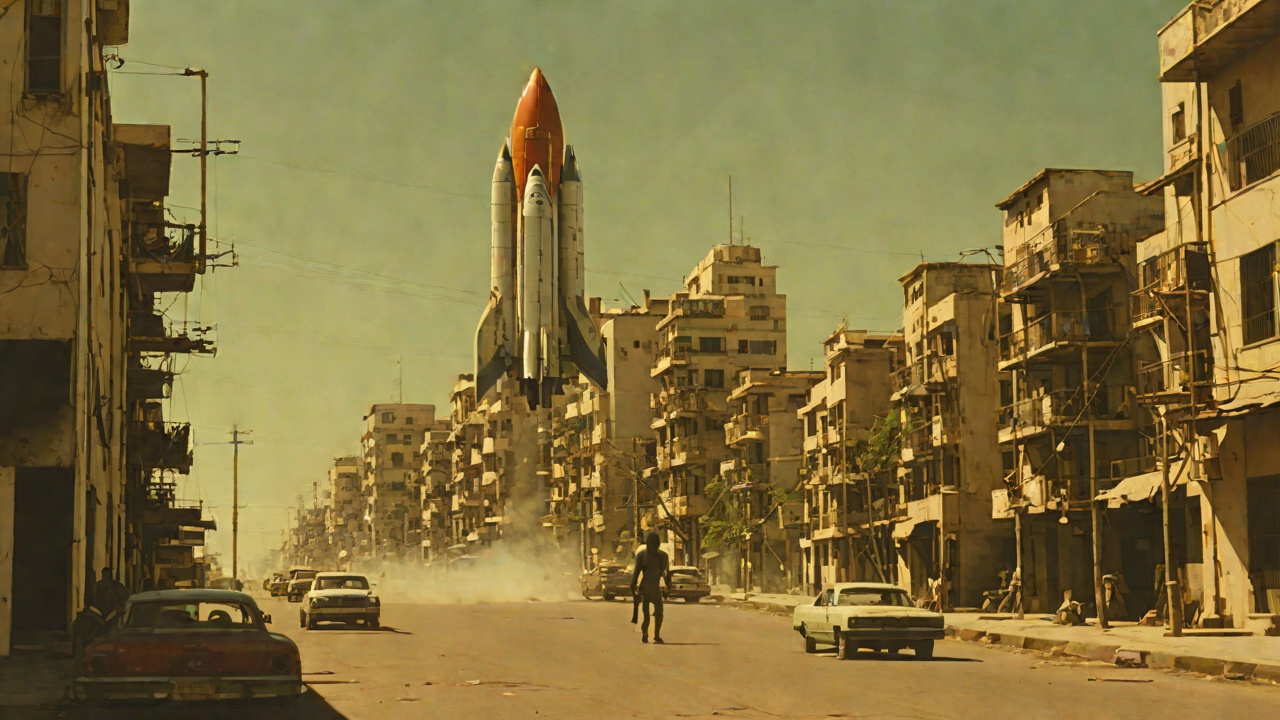
The Rocket Ship That Cannot Tell
Context
The narrator imagines a rocket ship equipped with roads, houses, VCRs, Kmarts, and wars. A passenger awakening inside it could not tell whether he was still on earth or drifting through an anthropic universe. The thought experiment dissolves the boundary between home and exile.
Significance
The image makes cosmology existential. We are all inside such a ship, unable to tell whether the world is the only case or one of many. The question of God remains because the question of context remains.
Consequences
The novel ends on this note of unresolved awe. Science and religion are both attempts to find a place to stand in a floating universe.
in the opening pages of the novel
mid-novel, in the narrator's reflections on Einstein
after the numbered autobiography of Ludwig Wittgenstein
during and after Seligman's speech at the EJ synagogue
in the thought experiment near the end of the novel
